
Already living in Panama and considering the step toward Panamanian nationality? The first question is not which form to fill out: it is which legal path fits your circumstances. Identifying it early helps focus the review of your residence, family ties, and the documents that may support your application.
Article 10 of the Constitution provides three paths to apply for nationality by naturalization. Each has its own conditions. Meeting the residence period alone does not mean an application is complete or guarantee that a Certificate of Naturalization will be granted.
The three naturalization paths
1. Five consecutive years of residence
This path covers foreign nationals with five consecutive years of residence in Panama after reaching the age of majority. It also requires declaring the intention to naturalize, expressly renouncing the nationality of origin or any nationality currently held, and demonstrating Spanish proficiency and basic knowledge of Panamanian geography, history, and political organization.
2. Three years plus a family tie recognized by the Constitution
The Constitution provides a three-year consecutive residence period for someone who has children born in Panama to a Panamanian father or mother, or a spouse of Panamanian nationality. The applicant must make the declaration and provide the evidence described for the first path. The family relationship and its supporting records should be reviewed carefully to confirm that they fit the legal provision.
3. Spanish or Latin American nationality by birth
People who are nationals by birth of Spain or a Latin American state may apply if they meet the same requirements that their country of origin imposes on Panamanians seeking naturalization there. This path depends on reciprocity: nationality alone is not enough; the applicable requirements under that country’s law must be confirmed.
What to review before getting started
- Your immigration timeline. Organize residence dates, renewals, and travel history. The law refers to consecutive residence; do not assume how an absence or change of status affects your case without reviewing the details.
- The family relationship, if applicable. Gather information from birth or marriage certificates and confirm which official records will be needed to establish it.
- Criminal record and supporting certificates. Decree Law No. 3 addresses certificates concerning criminal records and active arrest warrants or detentions. Confirm what you must provide, from which country, and the required validity period under your circumstances and the current instructions from Panama’s National Immigration Service.
- Spanish and civic knowledge requirements. The Constitution includes these conditions. Check the current procedure to learn how they are demonstrated and what guidance applies to your file.
- Renouncing another nationality. A declaration of renunciation may have significant consequences for your rights and obligations in another country. Before signing or making such a declaration, it is prudent to assess your individual circumstances and the rules of your country of origin.
- The correct path and supporting evidence. Resolution No. 51973 of 2026 adopted an electronic procedure for managing naturalization files. Confirm the current filing channel, document checklist, and instructions directly with Panama’s National Immigration Service; do not assume the resolution removed requirements or that everything is submitted through a self-service portal.
Approval is not automatic: the Constitution and the law govern applications for a Certificate of Naturalization and their review by the competent authorities. Professional guidance can help identify missing information and questions to resolve before filing, but no responsible assessment can promise an outcome.
How to make an initial consultation more useful
For a discussion about your case, have the following available if you have them: your permanent resident card, passports, an approximate timeline of residence and travel, records supporting a family relationship, and a note about your current nationality and any nationality acquired later. You do not need to send personal documents before confirming a secure, agreed channel.
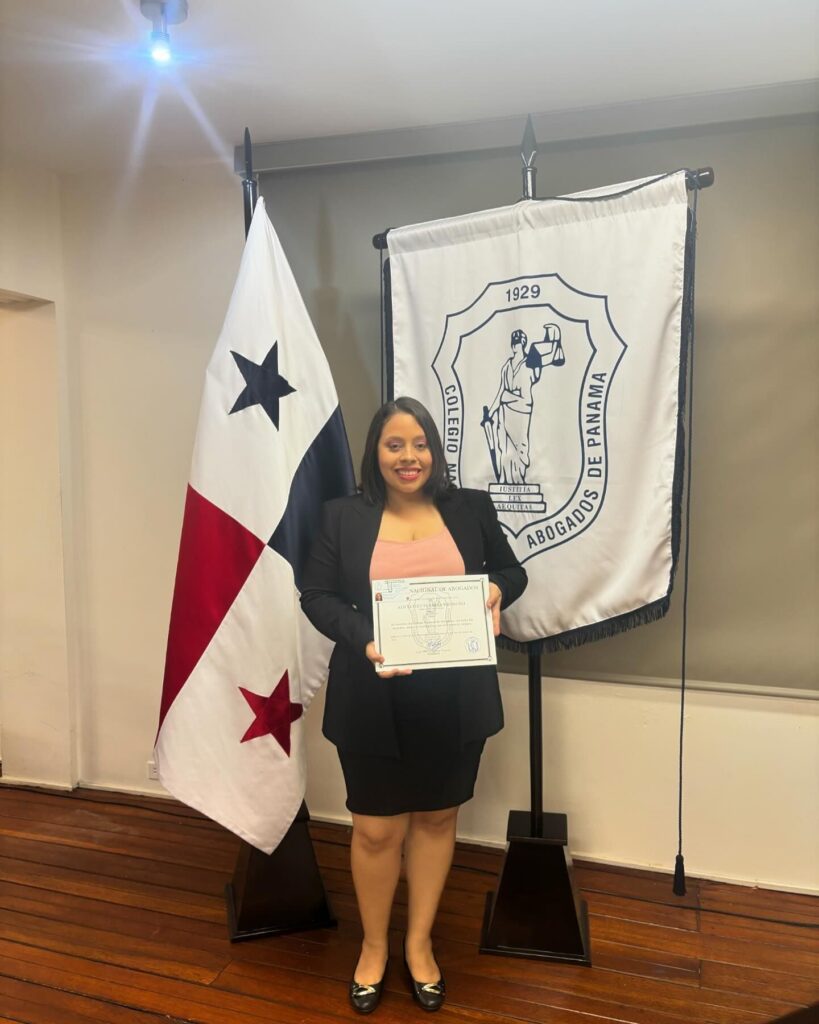
Unsure which of the three paths may apply to you? Speak with Attorney Alicia Fasta, who focuses on immigration and civil law, to review your circumstances, identify what needs to be confirmed, and map out clear next steps.