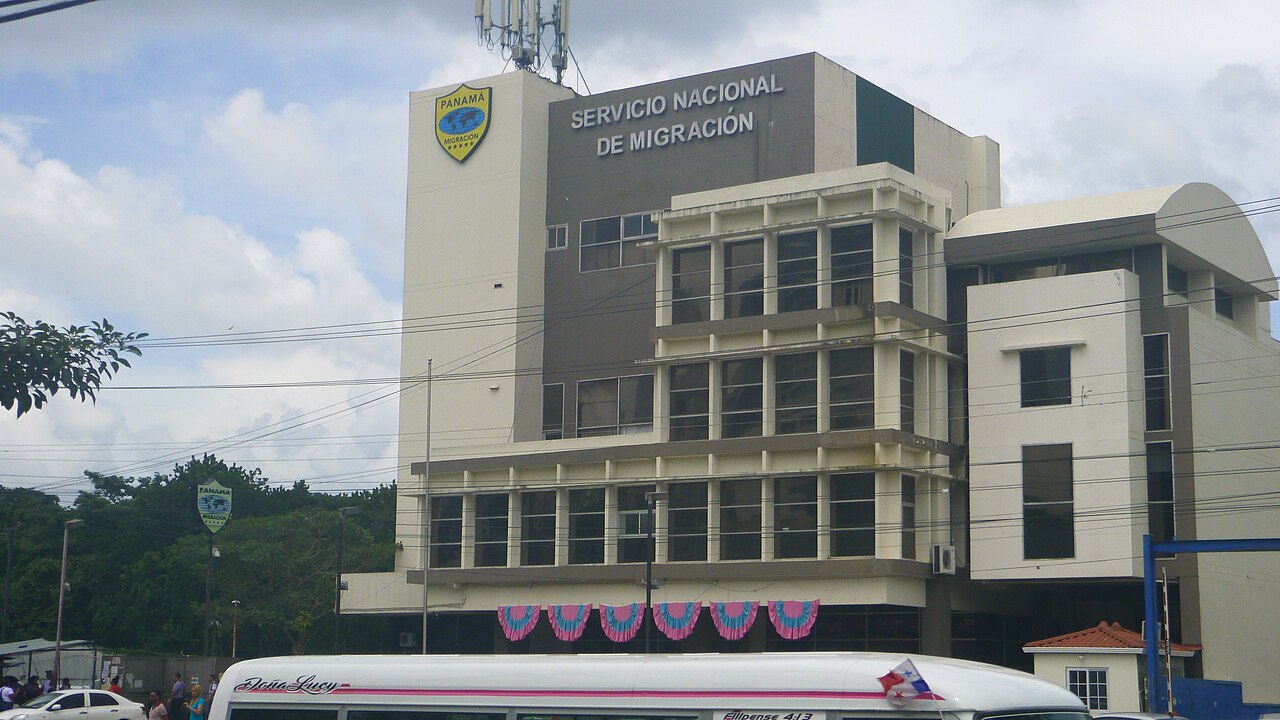

Panama’s immigration permits are grouped into broad categories and, within them, subcategories with their own requirements. The useful question is not only “Which visa can I apply for?” but what the purpose of the stay is, which relationship or activity can be documented, and what effect the category has. The National Immigration Service (SNM) organizes permits by residence type and grounds.
Broad categories
The SNM page presents permits for non-residents, temporary residents, and permanent residents. It also organizes temporary and permanent residence options by different grounds. This first classification helps narrow the search but does not determine eligibility by itself.
A subcategory is a specific route within a category. For example, the SNM lists economic reasons, special policies, employment, demographic reasons, special laws, and religious reasons among the grounds for permanent residence. For temporary residence, it lists employment, investment, special policies, education, religious reasons, family reunification, and other grounds. The list and its rules may change through decrees or resolutions.
How subcategories differ
Each subcategory may change who qualifies, which documents prove a connection to Panama, how long a permit lasts, whether there is a provisional stage, and what additional steps are required. An employment route is assessed differently from one based on investment, marriage, studies, or an international treaty.
Nationality can also matter. Some routes are limited to citizens of specified countries or people who prove a particular status. Others require proof of an investment, family relationship, job offer, or another basis set out in the specific rule.
Residence and work authorization
Do not assume that every residence permit automatically authorizes work. Residence is part of the immigration system; work permits and conditions may depend on additional rules and authorities, including the type of job, activity, and employer. Check both before starting work or hiring.
Temporary residence does not always lead automatically to permanent residence, and permanent residence does not itself grant citizenship. Each change of status has its own requirements and procedure.
A practical way to identify a route
- Define what you plan to do in Panama and for how long.
- Check whether your nationality, family relationship, activity, or investment fits a current subcategory.
- Read the specific decree and requirements sheet, not only the category name.
- Organize documents that prove each element and check apostilles, legalizations, and translations.
- Confirm whether you also need a work permit, registration, sector-specific authorization, or another filing.
- Recheck official sources before filing because a regulatory update may change requirements or procedures.
For example, Friendly Nations, the Panama–Italy treaty, and qualified-investor routes fall under different grounds and have different conditions. Knowing someone approved under one category does not show that the same route applies to you.
Legal guidance
We can review your objective, nationality, and documents to compare potentially relevant routes and identify conditions that need to be verified before filing. The correct category depends on the facts and the rules in force.
This guide provides general information, not individual legal advice or a guarantee of approval. It was reviewed on October 11, 2026. Check the permits page, decrees, and current requirements sheet for the subcategory before taking action.