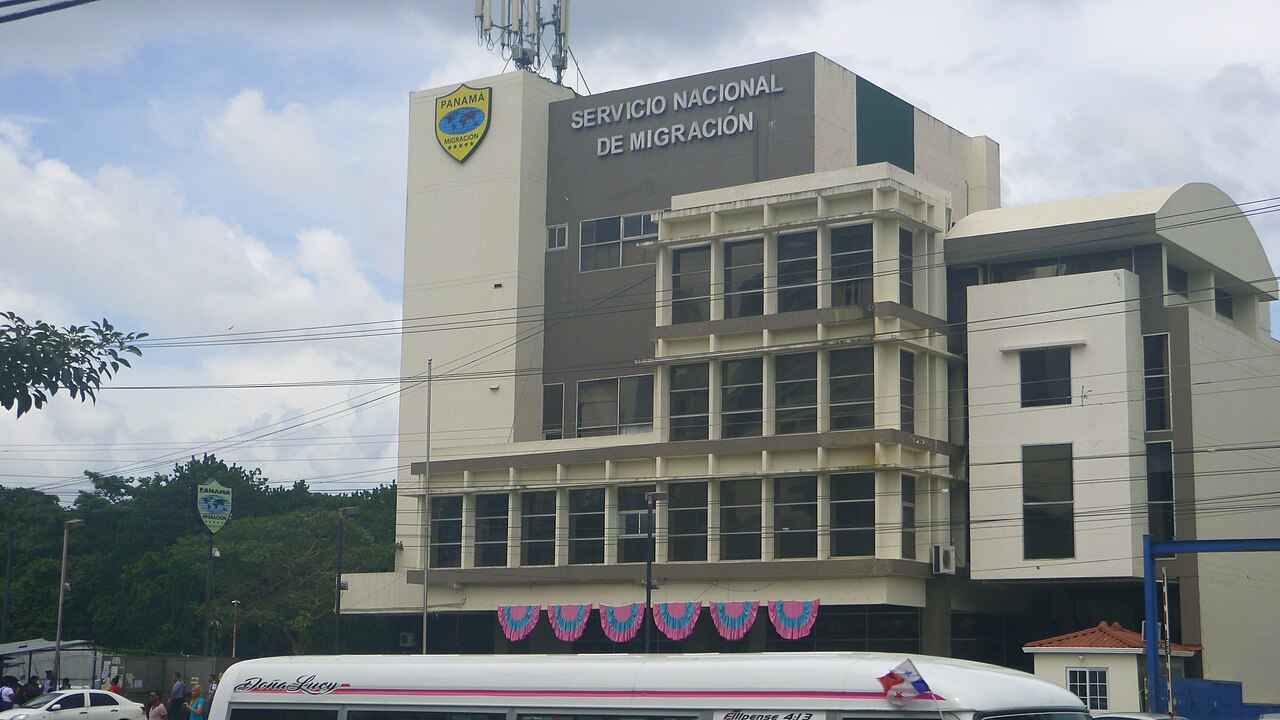
Panama’s retiree permit, known as the “pensionado visa,” is for foreigners who receive a lifetime pension of at least US$1,000 a month and want to settle in Panama. It is granted for an indefinite period, so it does not need to be renewed. This guide explains who can apply, which documents the National Immigration Service requires, and what happens with a spouse and children.
What the retiree permit is
It is a residence permit for people who retire or receive a pension abroad and decide to live in Panama. Immigration identifies it as PRP-JP, and it is governed by Article 200 of Executive Decree 320 of 2008, as amended by Executive Decree 26 of 2009. In searches and in the market it is also called the “pensionado visa” or “retirement visa.”
The article requires three things:
- The retirement or pension must be paid by a foreign government, an international organization, or a private company.
- The person must enter the country in order to settle there.
- The person must have enough means to cover their own expenses and those of their dependents.
How much the pension must be
The monthly pension cannot be lower than US$1,000 and must be granted for life. If the pension is paid in another currency, Immigration accepts its equivalent.
The rule itself provides for exceptions:
- Buying property. If you personally acquire property in Panama for more than US$100,000, the minimum pension drops to US$750.
- Marriage. Spouses may add their two pensions together to reach the US$1,000 minimum.
- Dependents. For each dependent, an additional US$250 per month of solvency is required. It can be shown with another pension or with a local bank reference.
Benefits of the permit
- No renewal. The permit is indefinite: it does not need to be extended.
- Your family can be included. A spouse and dependent children can join you (children until age 25 if they study).
- Household goods without taxes. Import duty exemption for personal and household items, up to US$10,000, one time only (Law 9 of 1987, Article 2).
- Vehicle without taxes. Import duty exemption for one vehicle for personal or family use every two years (Law 9 of 1987, Article 2). The goods and the vehicle cannot be sold or leased without paying the corresponding taxes.
- Pensioner discounts. For example, 50% on entertainment, 20% on medical consultations and medicines, and 25% at restaurants.
Discount percentages may change. Confirm them before planning.
Documents Immigration requires
The official list includes:
- A notarized power of attorney and the application. The power of attorney must state the names and nationalities of the applicant’s parents.
- Three photographs.
- A certified copy of the passport, notarized or authenticated.
- A criminal record certificate.
- A health certificate.
- The sworn statement of personal background form.
- Certification of your status as a retiree or pensioner, showing a lifetime pension of no less than US$1,000 a month or its equivalent in another currency.
- Proof of the additional solvency for each dependent, if any.
- A Public Registry certificate for the property, if you use the property exception.
If the pension comes from a private company
In addition to the above, Immigration asks for:
- A letter from a foreign pension administrator, trust, mutual fund, insurer, or bank certifying that it manages funds for the company or for you.
- A certificate of existence and good standing of the company that pays the pension and manages the fund.
- A copy of a payment receipt or a bank statement.
Costs of the process
Besides professional fees, which are agreed case by case, the process involves official and document costs. These are the items that usually appear, with approximate amounts that may vary:
| Item | Approximate amount |
|---|---|
| Processing card (provisional ID) | US$50 |
| Permanent resident card | US$100 |
| Multiple-entry and exit visa | US$50 |
| Foreigner ID card (cédula) | US$65 |
| Health certificate | US$35 |
Certificates and documents issued in your home country, such as the criminal record, have their own cost, plus authentication and translation where needed. Confirm current amounts with Immigration before filing.
Spouse and children
- Spouse. A spouse may be included as a dependent, and their income can be added to yours to reach the minimum.
- Dependent children. Their permit is temporary, until they turn 25, and only if they prove they are studying full time. They do not acquire permanence or pensioner status. The exception is children with a proven profound disability.
A permit with no renewal
The retiree permit is indefinite, so it does not have to be extended. This is not the same as citizenship. If you later consider naturalization, see which path applies to your case.
Common mistakes before filing
- Assuming any pension will do. It must be for life; a temporary payment or one for a set number of years does not qualify.
- Submitting a certification that does not state the monthly amount or that the pension is lifetime.
- Forgetting the additional US$250 solvency for each dependent.
- Bringing foreign documents that are not authenticated or notarized where required.
What to do now
Before traveling or gathering documents, it helps to review your case: which entity pays your pension, whether it is for life, whether you are coming with a spouse or children, and which documents from your country need extra steps. To see how the process is organized in general, read how proceedings work at Panama’s National Immigration Service.
If you would like an immigration lawyer to review your case, message me directly on my phone and we will go over it before you file.
 Message me on WhatsApp
Source: PRP-JP requirements of the National Immigration Service, consulted on October 27, 2026. Requirements may change; confirm them with Immigration or your lawyer before filing.